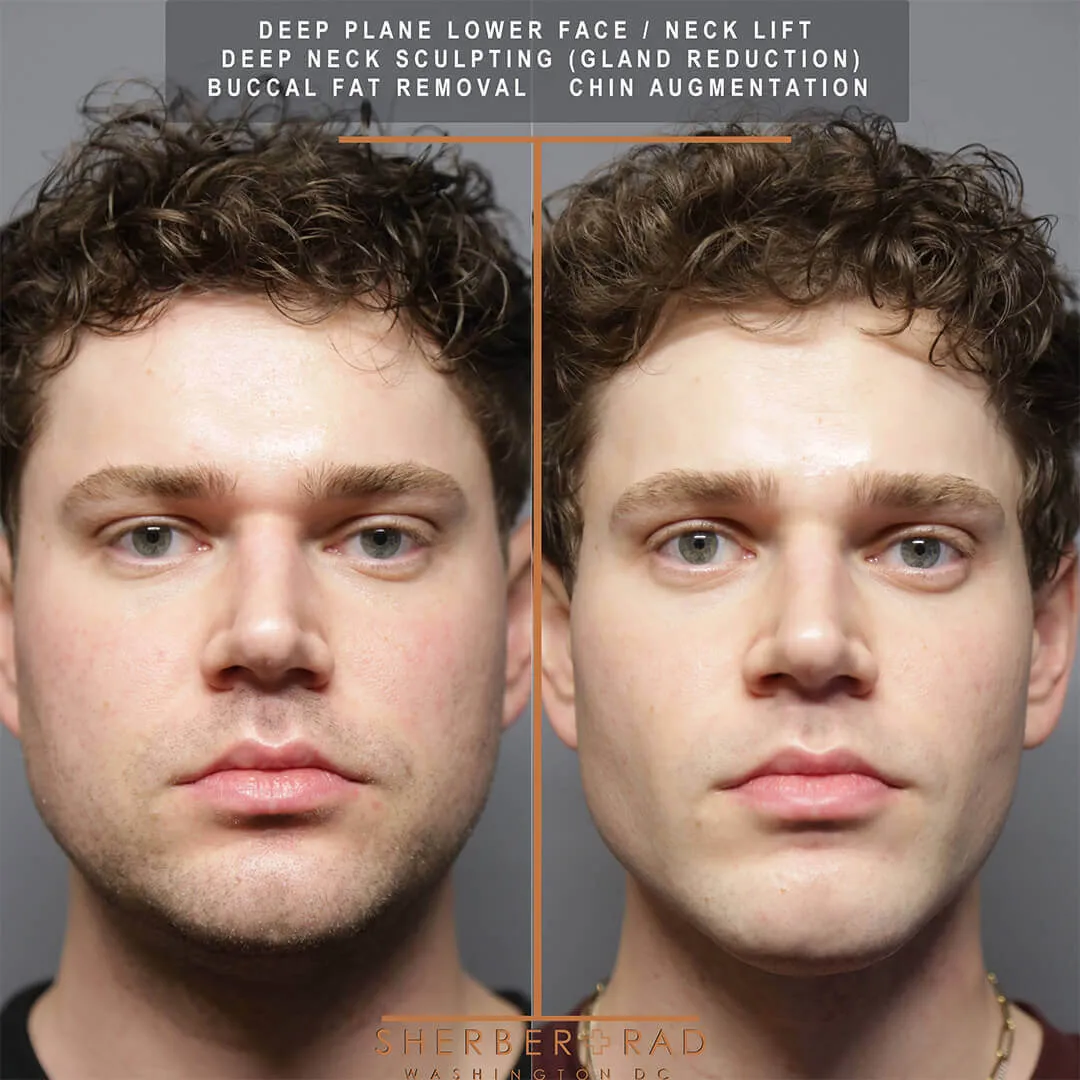
Facial rejuvenation has evolved significantly over the past two decades. Advances in technology, imaging, surgical tools, and skin therapies have expanded what is possible. At the same time, the core principles of anatomy, balance, and restraint remain unchanged.
When I think about the future of facial rejuvenation, I do not see technology replacing surgical judgment. I see it enhancing it. The most meaningful progress happens when innovation supports artistry, not when it overshadows it. The surgeon’s understanding of anatomy, proportion, and natural expression must always remain central.
Better Imaging, Better Planning
One of the most exciting developments in modern facial surgery is advanced imaging. High-resolution photography and three-dimensional visualization allow us to evaluate the face with remarkable clarity. We can study subtle asymmetries, contour changes, and volume loss in a more comprehensive way than ever before.
This technology improves surgical planning. It helps patients understand their anatomy and visualize potential improvements. Clear visual communication builds trust and allows for more informed decisions.
However, imaging is a tool, not a promise. It guides discussion and planning, but surgical results still depend on technical precision and individualized judgment.
Refining Surgical Techniques
Technology has also improved the tools we use in the operating room. Endoscopic equipment allows for precise visualization through smaller incisions. Advanced instruments enable careful dissection and repositioning of tissues while minimizing trauma.
These improvements translate into less swelling, smoother recovery, and more refined results. Yet even with the best equipment, outcomes rely on the surgeon’s knowledge of facial ligaments, nerves, and structural relationships. Surgical artistry involves knowing how much to lift, where to release tension, and how to preserve natural movement.
Technology supports precision, but experience guides decisions.
Regenerative Medicine and Fat Grafting
The future of facial rejuvenation also includes regenerative approaches. Fat grafting, for example, does more than restore volume. Fat contains regenerative cells that may improve skin quality and tissue vitality over time.
Research in this area continues to evolve, and I believe regenerative techniques will become an increasingly important complement to structural surgery. When used thoughtfully, they enhance natural contours and support long-term outcomes.
Still, restraint is key. The goal is subtle enhancement, not overcorrection. Regenerative medicine is most powerful when it supports harmony rather than exaggeration.
Energy-Based Devices and Skin Health
Laser technologies, radiofrequency devices, and other energy-based treatments have transformed skin care. These tools improve texture, pigmentation, and collagen production. They can complement surgical procedures or, in some cases, delay the need for surgery.
At SHERBER+RAD, integrating dermatologic expertise with surgical planning allows us to approach rejuvenation comprehensively. Surgery restores structure. Technology enhances skin quality. Together, they produce balanced and lasting results.
The future will likely bring even more refined energy-based devices, offering targeted treatments with minimal downtime. The key will be choosing technologies supported by evidence rather than trends.
Personalization Through Data
As technology advances, personalization becomes more precise. Data-driven analysis of skin quality, facial structure, and aging patterns may allow for increasingly customized treatment plans.
However, data alone does not create beauty. Human perception of balance, proportion, and expression remains essential. Technology can inform us, but the artistic eye interprets that information. Facial rejuvenation is both science and art, and the future depends on respecting both disciplines equally.
Maintaining Natural Results in a High-Tech Era
With rapid technological growth comes the risk of overuse. Patients are exposed to constant information about new treatments and devices. The challenge for surgeons is to evaluate these innovations critically and adopt only those that truly improve safety and outcomes.
Natural results must remain the standard. Technology should help us achieve subtle, authentic rejuvenation that preserves identity. If a tool or technique compromises natural expression, it does not belong in thoughtful practice.
The future of facial rejuvenation is not about doing more. It is about doing better.
Education and Ethical Responsibility
As innovation continues, patient education becomes even more important. New technologies can create unrealistic expectations if not explained clearly. Honest conversations about benefits, limitations, and long-term outcomes are essential.
Ethical responsibility requires careful selection of treatments. Not every new device is necessary for every patient. The integration of technology must always be guided by safety, evidence, and the patient’s best interest.
The Enduring Role of Surgical Artistry
Despite technological advances, the essence of facial rejuvenation remains deeply human. It involves listening to patients, understanding their concerns, and designing a plan that respects their individuality.
Surgical artistry is about subtlety, proportion, and restraint. It requires experience, patience, and a commitment to continuous learning. Technology can refine our tools, but it cannot replace judgment or empathy.
The most successful outcomes occur when innovation enhances the surgeon’s ability to restore harmony without erasing character.
Conclusion
The future of facial rejuvenation lies in the thoughtful integration of technology and surgical artistry. Advanced imaging, refined instruments, regenerative medicine, and energy-based treatments offer powerful tools for improvement. Yet these tools must always serve the principles of anatomy, safety, and natural beauty.
At SHERBER+RAD, we embrace innovation while remaining grounded in fundamentals. By combining precision technology with experienced judgment and artistic vision, we can offer patients results that are not only modern and refined but also authentic and enduring. The future is promising, but its success depends on balance, integrity, and respect for the individual behind every face.